1982 to 1987
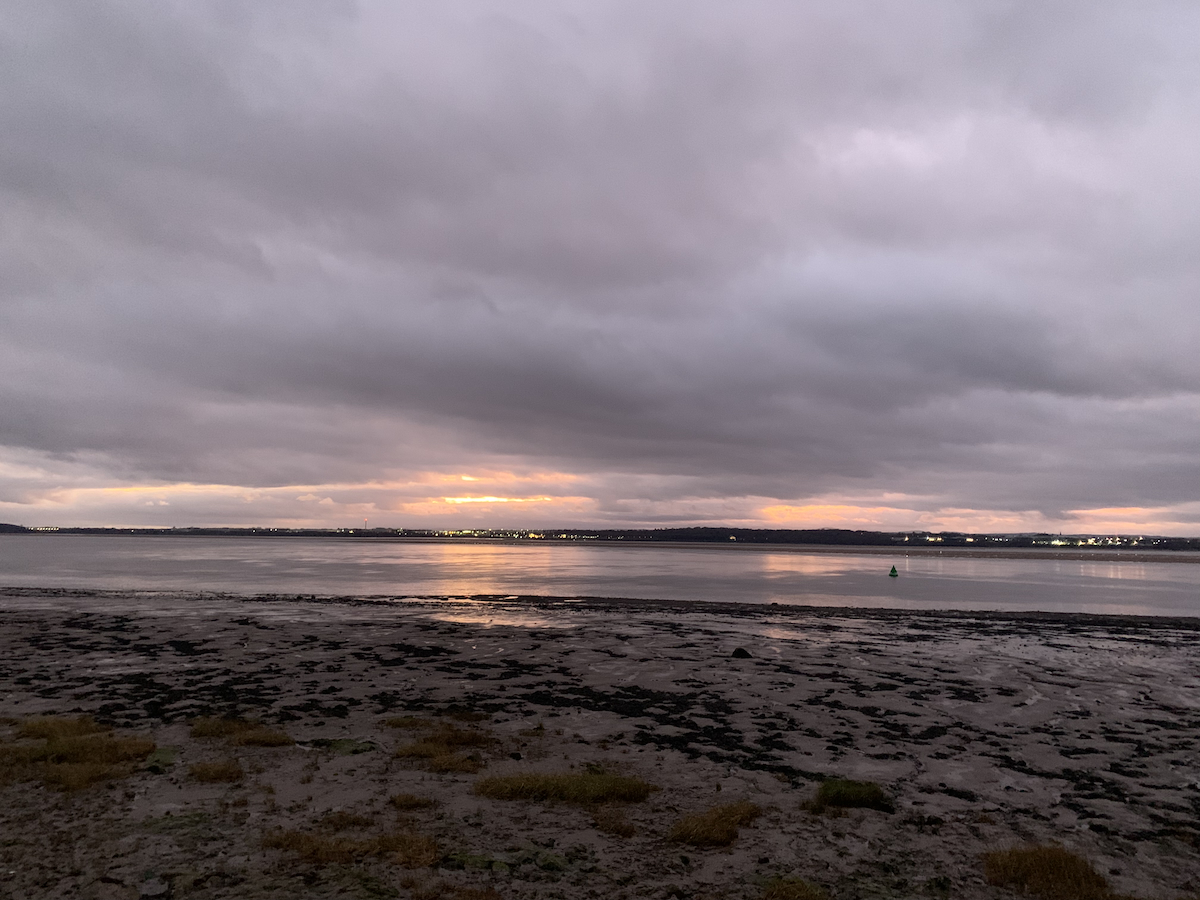
Growing up by the Mersey in the 1980s, I used to hear the old air raid sirens being put through their weekly paces. I think the nearest one was at Garston docks. Along with ship foghorns, it’s one of the sounds of my youth. The tests carried on until the end of the Cold War.
Tensions between the USA and Russia were often in the news, along with the anti-nuclear protests at Greenham Common. CND logos were a common sight. I remember being given Raymond Briggs’ When the Wind Blows for Christmas. A graphic novel following an old couple’s attempts to survive after a nuclear attack, the radiation sickness gradually overcoming them. Heartbreaking and harrowing, and not exactly festive – or indeed age-appropriate. This wasn’t The Snowman, and I was mortified. What was my Mum thinking? I wonder whether she didn’t realise what it was about, or knew full well and thought I should be exposed to it. Still, at least she didn’t make me watch Threads.
Given this ambient noise, it wasn’t surprising that at school we would regularly imagine what we would do if the four-minute warning sounded. And given the limited imagination of prepubescent boys, this generally involved tracking down our latest crush forthwith to go out in the best way possible.
From 1982, the Labour Party formally adopted a policy of unilateral nuclear disarmament. I remember being woken up by loud bangs on the morning after the 1987 election. Clearly affected by campaign scare stories, my first thought was that Labour had got in and its policy was immediately being put to the test by an attack. Thankfully it was just an unusually strong wind, banging the thick panes in the old Victorian window frames. Also known as wind throb or Helmholtz resonance. I’ve never heard this phenomenon as loud and frightening as it was that morning, even accounting for my imagination working like a Marshall amplifier.